Why You Should Get a Pre-Purchase Inspection First
Buying a Used Car in Antioch, CA? Why You Should Get a Pre-Purchase Inspection First
Finding a used car that fits your budget can feel like a great deal, especially when the vehicle looks clean, has low mileage, and seems to run perfectly during a test drive. But appearances can be misleading. A car may look well-maintained on the outside while hiding mechanical problems that are expensive to repair.
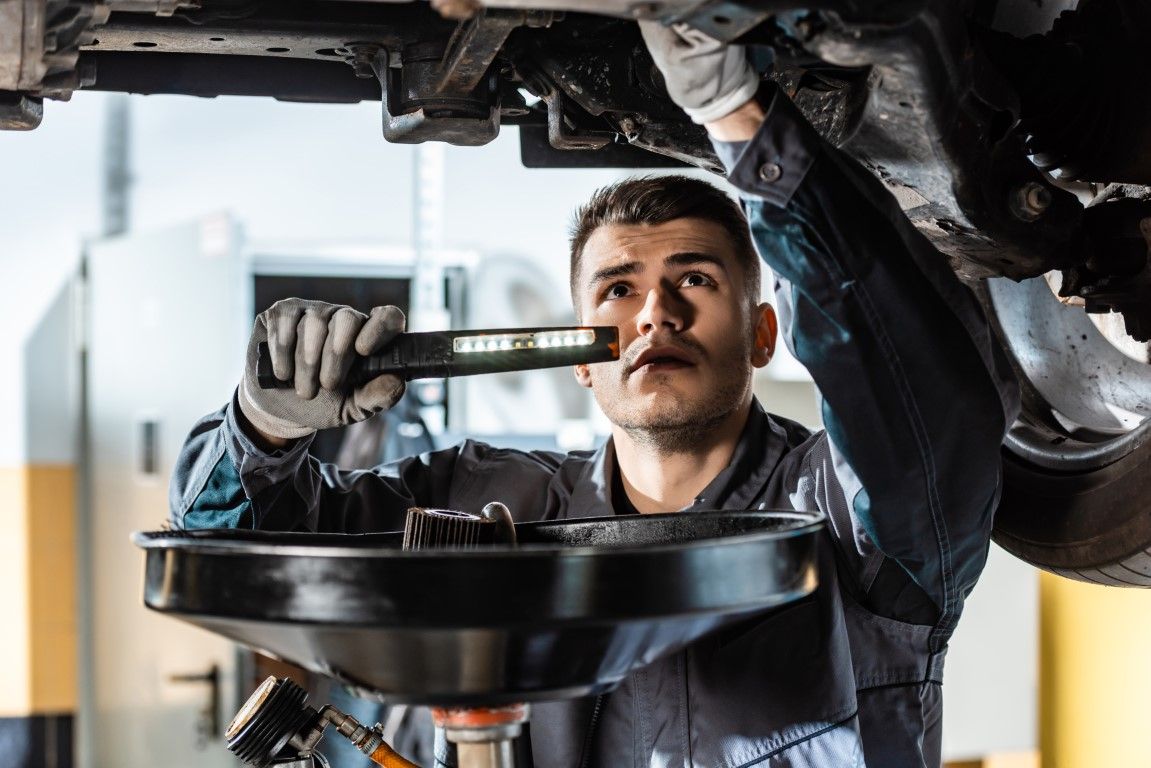
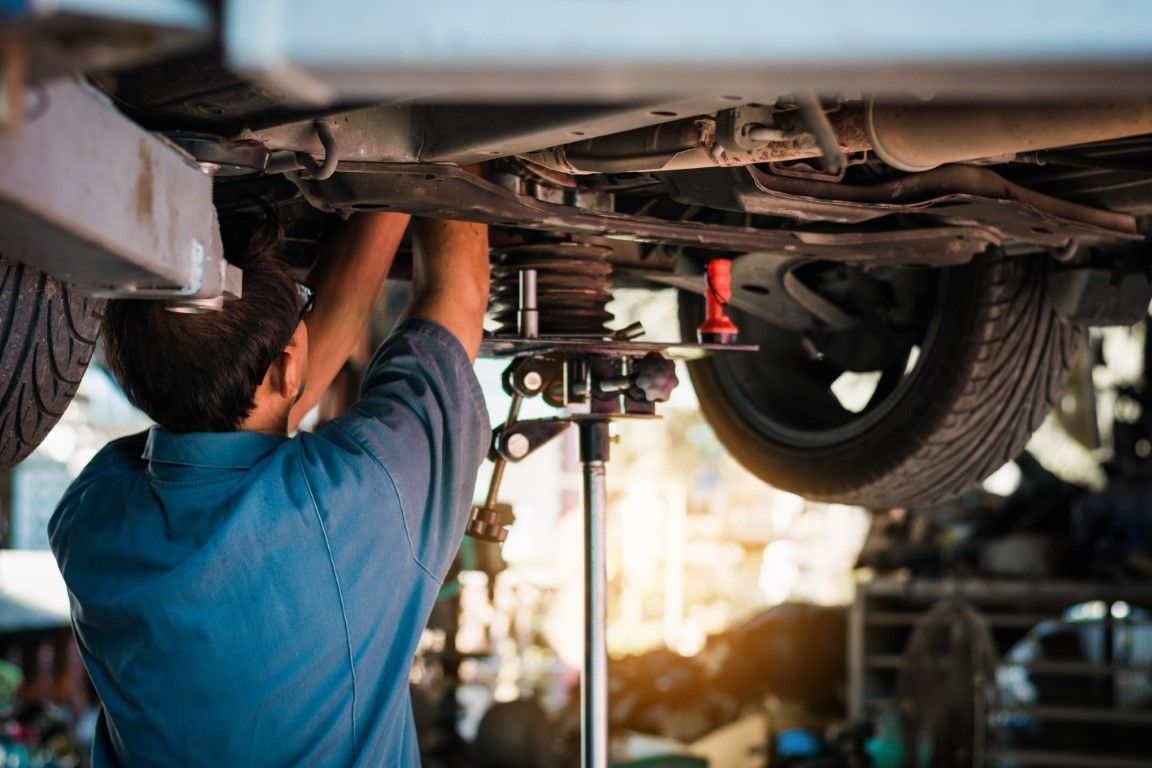
Before handing over your money, consider arranging a pre-purchase vehicle inspection. This is an independent mechanical assessment performed before you buy a used vehicle. It helps identify existing problems, signs of wear, and potential repairs that may not be obvious during a short test drive.
For anyone shopping for a used car in Antioch, California, having a mechanic examine the vehicle before completing the purchase can provide valuable information and help you make a more informed decision.
What Is a Pre-Purchase Vehicle Inspection?
A pre-purchase inspection, commonly called a PPI, is a mechanical evaluation of a used vehicle before ownership changes hands.
Instead of relying entirely on what the seller says or what you notice during a test drive, an independent mechanic examines the vehicle's condition and looks for possible mechanical and maintenance concerns.
The goal is not simply to determine whether the car starts and drives. It is to identify issues that could affect its reliability, safety, and future maintenance costs.
For example, a vehicle might drive smoothly during a short test but still have signs of an oil leak, worn suspension components, electrical problems, or cooling system concerns.
A professional inspection can help uncover concerns that are difficult for an ordinary buyer to recognize.
The Federal Trade Commission recommends obtaining an independent mechanical inspection before purchasing a used vehicle, even when the dealer describes it as certified or provides a warranty.
You can read its consumer guidance here: Buying a Used Car From a Dealer – Federal Trade Commission.
Why Should You Have a Used Car Inspected Before Buying It?
A used vehicle can be a practical purchase, but it also comes with uncertainty. You may not know exactly how the previous owner maintained it, how frequently it was driven, or whether certain components are approaching the end of their service life.
Here are several reasons an independent inspection is worth considering.
1. Identify Mechanical Problems Before Paying
Some vehicle problems are easy to overlook when you are excited about buying a car.
A seller may tell you that the vehicle is in excellent condition, but that does not necessarily mean every mechanical component is working properly.
An inspection can help identify concerns involving the engine, cooling system, electrical components, suspension, steering, and other mechanical areas, depending on the inspection's scope.
Knowing about these problems beforehand gives you an opportunity to reconsider the purchase or request further evaluation.
2. Avoid Unexpected Repair Expenses
The advertised price is not always the complete cost of owning a used car.
A vehicle that seems affordable today may require substantial maintenance shortly after purchase.
For example, worn brakes, an aging battery, fluid leaks, or suspension problems may require attention sooner than expected.
An inspection can help identify existing repair needs so you can consider them when evaluating the total cost of the vehicle.
3. Make a More Informed Buying Decision
Sometimes an inspection confirms that a vehicle appears to be in reasonable mechanical condition. Other times, it reveals problems that change your opinion about the purchase.
Either way, having additional information puts you in a better position to decide whether the vehicle is worth the asking price.
You are not obligated to buy a car simply because you have already spent time negotiating with the seller.
4. Have More Information When Negotiating
Suppose you are interested in a used vehicle, but the inspection identifies worn components or maintenance that will soon be necessary.
A mechanic's findings can give you specific information to discuss with the seller.
You might ask whether the seller is willing to address the identified problems, adjust the asking price, or provide documentation of completed repairs.
The Federal Trade Commission recommends requesting a written inspection report that identifies the vehicle and outlines necessary repairs and estimated costs.
What Does a Mechanic Check During a Pre-Purchase Inspection?
The exact inspection process depends on the vehicle, its condition, and the service being requested. However, a mechanical inspection may cover several important areas.
Here are some of the components and conditions worth discussing with the mechanic before scheduling an inspection.
Engine and General Mechanical Condition
The engine is one of the most important components to evaluate when purchasing a used car.
A mechanic may examine accessible engine components and look for signs of leaks, unusual noises, visible damage, and other potential concerns.
Depending on the inspection scope, the engine may also be assessed while running to identify symptoms that are not visible when the vehicle is switched off.
An engine that starts easily is encouraging, but it does not automatically mean that everything is mechanically sound.
Transmission and Drivetrain
Transmission problems can be expensive, making this an important area to discuss before buying a used vehicle.
Depending on the vehicle and inspection arrangement, a mechanic may evaluate shifting behavior, unusual noises, visible leaks, and other signs of possible drivetrain problems.
Not every transmission issue can be identified through a basic visual inspection, so ask whether additional diagnostic testing is available if symptoms are present.
Brakes and Tires
The braking system and tires are important for everyday driving and vehicle safety.
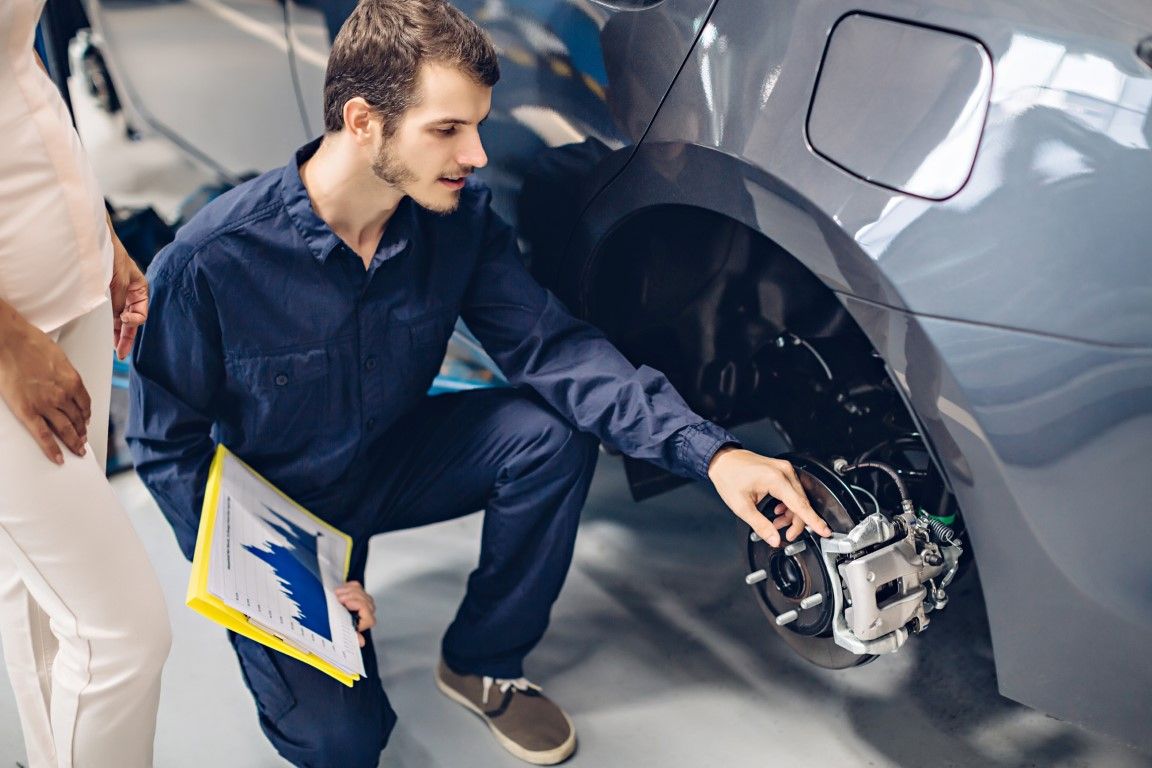
An inspection may include checking visible brake components, signs of uneven wear, tire condition, and other concerns that could require maintenance.
Pay attention to worn tires, uneven tread patterns, unusual brake noises, and signs that the vehicle may need additional suspension or alignment attention.
Suspension and Steering
A vehicle may appear perfectly fine while parked but behave differently when driven.
Suspension and steering components help maintain handling, stability, and control.
A mechanic may look for worn or damaged components, unusual noises, fluid leaks, and other signs of mechanical wear.
These checks are particularly useful when evaluating a used vehicle that has accumulated substantial mileage.
Battery and Electrical System
Electrical problems can sometimes be difficult to recognize during a short test drive.
A pre-purchase inspection may include checking the battery's condition, charging system, electrical connections, dashboard indicators, and operation of accessible electrical features.
Problems involving the starter, alternator, or other electrical components may lead to unexpected repair expenses.
Cooling System and Fluid Leaks
A vehicle's cooling system helps regulate engine temperature.
Potential problems involving hoses, coolant leaks, or other cooling components should be investigated before purchase.
An inspection may also look for visible engine oil, transmission fluid, coolant, or other leaks.
A vehicle that has previously overheated deserves particular attention because overheating can sometimes cause significant engine damage.
Interior and Exterior Condition
Mechanical condition is important, but the vehicle's overall condition also matters.
Ask whether the inspection includes a review of the interior and exterior for visible damage, unusual wear, warning indicators, and signs of previous repairs.
Visible signs of previous collision damage or inconsistent panel condition may warrant further investigation by an appropriate body repair specialist.
Keep in mind that a mechanical inspection is not necessarily a comprehensive collision, structural, or paint assessment.
Is a Vehicle History Report Enough?
No. A vehicle history report and a mechanical inspection serve different purposes.
A vehicle history report may provide information about reported accidents, title history, previous ownership, and certain recorded events.
However, it may not contain every mechanical problem or repair that has occurred during the vehicle's lifetime.
For example, a vehicle might have a relatively clean history report but still have worn brake components, an oil leak, or an engine problem that has not been recorded.
That is why it makes sense to use both resources when evaluating a used car.
Before purchasing, consider:
- Obtaining a vehicle history report.
- Checking for outstanding safety recalls.
- Reviewing available maintenance and repair records.
- Asking about previous accidents or major repairs.
- Arranging an independent mechanical inspection.
- Reviewing the seller's warranty and purchase documents.
The California Department of Justice also recommends checking a used vehicle's history through the National Motor Vehicle Title Information System (NMVTIS).
You can find additional guidance here: Buying and Maintaining a Car – California Department of Justice.
6 Questions to Ask Before Scheduling a Pre-Purchase Inspection
Not every inspection includes the same checks. Before arranging an appointment, clarify what the service covers.
Here are six useful questions to ask:
1. What Components Are Included?
Ask whether the inspection covers the engine, transmission, brakes, tires, suspension, steering, electrical system, and visible fluid leaks.
Knowing the inspection scope helps you understand what the mechanic will actually evaluate.
2. Is a Diagnostic Scan Included?
Modern vehicles use electronic systems to monitor different components and functions.
Ask whether the inspection includes an electronic diagnostic scan when appropriate for your vehicle.
A scan can provide useful information, but it does not identify every mechanical problem or guarantee that the vehicle is free of faults.
3. Will I Receive an Inspection Report?
A written report can help you understand the findings after the inspection.
Ask whether the report identifies the vehicle, describes observed problems, and distinguishes between repairs that may be necessary immediately and maintenance that may be needed later.
4. Can the Mechanic Inspect the Vehicle at the Seller's Location?
This is particularly useful when the seller is unwilling or unable to take the vehicle to a repair shop.
A mobile inspection may allow a mechanic to examine the vehicle where it is parked, subject to access and suitable working conditions.
Confirm the seller's permission and the mechanic's service arrangements before scheduling.
5. Is a Road Test Included?
A road test may help reveal concerns that cannot be identified while the vehicle is stationary.
However, the seller must provide permission, and the vehicle must be suitable and safe to operate.
Ask the mechanic whether a road test is included and what alternatives are available if the vehicle cannot be driven safely.
6. What Is Not Included in the Inspection?
This question is just as important as asking what is included.
A standard mechanical inspection may not include a complete engine teardown, transmission disassembly, detailed frame analysis, emissions certification, or comprehensive collision damage assessment.
Understanding the limitations helps prevent misunderstandings about what the inspection can establish.
What If the Seller Refuses an Independent Inspection?
If a seller refuses to allow an independent mechanic to examine the vehicle, take that seriously.
There may be practical reasons for restrictions, such as insurance arrangements or dealership policies. However, a seller who will not permit any reasonable independent evaluation makes it harder for you to assess the vehicle objectively.
The Federal Trade Commission advises buyers to consider another seller if a dealer will not allow an independent inspection or arrange an acceptable alternative.
You should never feel pressured to complete a purchase without having the opportunity to understand the vehicle's condition.
What Happens After the Inspection?
Once the inspection is complete, take time to review the findings before making a decision.
Not every issue means you should immediately walk away from the vehicle. Some findings may involve ordinary wear or routine maintenance, while others could indicate more serious mechanical concerns.
A useful way to organize the results is to separate them into three categories:
| Category | What It Means | What to Consider | |---|---|---| | Immediate concerns | Problems that may affect safe operation or require prompt repair | Ask whether the vehicle should be driven and what repairs are necessary. | | Near-term maintenance | Components showing wear or approaching service requirements | Include the expected maintenance in your ownership budget. | | Additional evaluation | Problems that require specialized testing or further diagnosis | Obtain a second opinion or additional assessment before purchasing. |
If the mechanic identifies a significant problem, ask for an explanation and an estimate of the potential repair costs.
You can then decide whether to negotiate, request repairs, arrange additional testing, or look for another vehicle.
Remember that an inspection describes the vehicle's condition at a particular point in time. It cannot guarantee that a used car will never develop another problem after purchase.
Pre-Purchase Vehicle Inspections in Antioch, CA
Shopping for a used car in Antioch? You do not necessarily need to rely only on the seller's description or arrange to take the vehicle to a traditional repair shop before getting it evaluated.
Antioch Mobile Mechanics lists pre-purchase vehicle inspections among its mobile auto repair services.
A mobile inspection can be a practical option when you want a mechanic to assess a vehicle at a suitable location before completing the purchase.
The business also provides vehicle diagnostics, brake repair, battery testing and replacement, starter and alternator services, engine repair, and other automotive maintenance services.
Before scheduling, contact the business to discuss the vehicle and confirm the inspection scope, available testing, location requirements, and whether a written report is provided.
When requesting an inspection, prepare the following information:
- Vehicle year, make, and model.
- Vehicle identification number (VIN), if available.
- Current mileage.
- Seller's location in or around Antioch.
- Any known mechanical problems or dashboard warning lights.
- Any maintenance records provided by the seller.
Providing these details makes it easier to discuss the inspection requirements before arranging a visit.
Contact Antioch Mobile Mechanics
Business: Antioch Mobile Mechanics
Contact Person: Jameson Martin
Service Area: Antioch, California
Phone: (925) 966-0042
Email: contact@antiochmobilemechanics.com
Website: https://www.antiochmobilemechanics.com/
Business Hours: Tuesday–Friday, 9:00 AM–5:00 PM
Planning to purchase a used car? Contact Antioch Mobile Mechanics before finalizing the deal to ask about a pre-purchase vehicle inspection and available appointment arrangements.
Frequently Asked Questions
Is a pre-purchase inspection worth it when buying a used car?
Yes. An independent inspection can help identify existing mechanical problems and maintenance concerns before you commit to purchasing a vehicle. It gives you additional information that a test drive or vehicle history report alone may not provide.
Can a mobile mechanic inspect a used car at a dealership?
A mobile mechanic may be able to inspect a vehicle at a dealership or private seller's location, provided the seller allows access and the location is suitable. Confirm the arrangements before scheduling.
How long does a pre-purchase inspection take?
The time depends on the vehicle, inspection scope, and whether additional diagnostic checks are necessary. Ask the mechanic for an estimated appointment duration when booking.
Does a pre-purchase inspection guarantee that the car is in perfect condition?
No. An inspection evaluates the vehicle based on the checks performed at that time. Some problems may not be apparent without specialized testing or disassembly, and new issues can develop later.
Should I get an inspection even if the used car is certified?
An independent inspection can still be useful. The Federal Trade Commission recommends considering an independent mechanical inspection even when a vehicle has been certified or inspected by the dealer. Review the certification documents and warranty terms as well.
Can I use the inspection report to negotiate the price?
Yes. If the report identifies existing repairs or maintenance needs, you can discuss those findings with the seller and consider them when evaluating the asking price.
Is a vehicle history report the same as a pre-purchase inspection?
No. A history report provides available historical records, while a mechanical inspection evaluates the vehicle's current observable condition. Using both provides a more complete picture before buying.
What should I do if the inspection finds serious problems?
Ask the mechanic to explain the findings, their potential consequences, and whether additional testing is necessary. Consider the repair costs and safety implications before deciding whether to proceed with the purchase.